
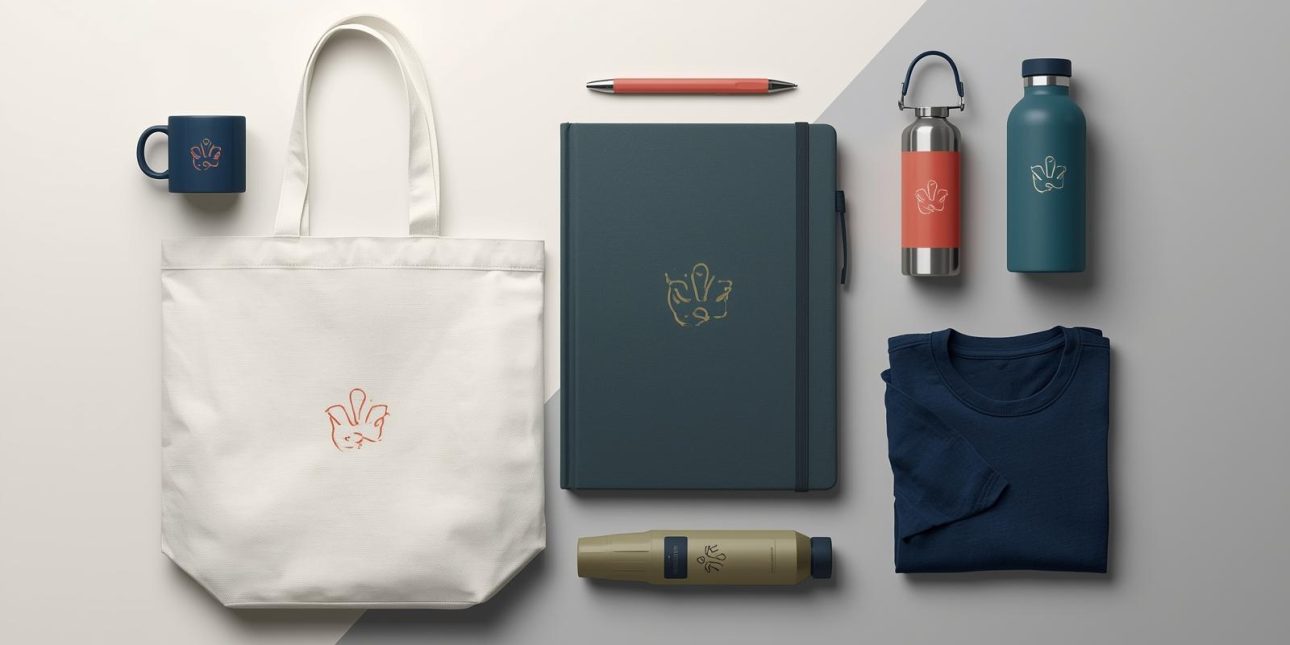
In a world where advertisements flash, disappear, and are forgotten before the next scroll, some things still choose a quieter path.
A pen that never asks for attention.
A mug that waits patiently every morning.
A tote bag that travels farther than any online ad ever could.
These are promotional products.
Not loud. Not dramatic. But surprisingly loyal.
And even in the digital age, businesses still trust them.
What Are Promotional Products?
Promotional products are useful items branded with a company’s logo, name, or message, given to customers, employees, or prospects—usually at no cost.
They include everyday items such as:
- Pens
- Notebooks
- T-shirts
- Tote bags
- Coffee mugs
- Water bottles
- Caps
- Simple tech accessories
There is nothing extraordinary about these items.
And yet, they work.
Because promotional products do not behave like advertisements.
They behave like companions.
People Don’t Remember Ads. They Remember Objects.
You might forget an online advertisement in five seconds.
But you rarely forget the mug you use every morning.
Promotional products work because they live inside daily routines:
- On office desks
- In kitchen cabinets
- Inside backpacks
- In cars and workspaces
They do not interrupt life.
They quietly become part of it.
That is the difference.
Why Promotional Products Still Matter in the Digital Age
The digital world moves fast.
Promotional products move patiently.
They Create Physical Memory
Screens change. Algorithms change. Platforms come and go.
But a physical product stays.
When someone repeatedly uses a branded item, the brand settles into memory without effort. This is brand recall—not forced, but familiar.
They Build Trust Without Saying Too Much
A company that gives something useful sends a simple message:
“We want to be helpful.”
Promotional products do not pressure people to buy.
They allow trust to grow naturally.
For many businesses—especially small ones—this quiet trust matters more than visibility.
They Work Long After the Campaign Ends
A digital ad stops working when the budget ends.
A promotional product continues working as long as it remains useful.
One tote bag or mug can create hundreds of brand impressions over time, without any additional cost or effort.
No clicks.
No retargeting.
Just presence.
Promotional Products vs Digital Advertising
This is not a competition.
It is a difference in nature.
Digital advertising asks for attention.
Promotional products earn familiarity.
Digital ads are seen once or twice.
Promotional products are seen daily.
One interrupts.
The other stays.
Why Small Businesses Rely on Promotional Products
Small business owners do not want to be everywhere.
They simply want to be remembered.
Promotional products help because they are:
- Cost-effective
- Practical
- Long-lasting
- Personal without being intrusive
A local café mug.
A startup notebook.
A small brand’s tote bag.
Each one quietly says, “We were here.”
Common Types of Promotional Products Used Today
Businesses in the United States most commonly rely on:
- Drinkware such as mugs and tumblers
- Bags including totes and backpacks
- Apparel like T-shirts and caps
- Office items such as pens and notebooks
- Simple tech items like phone stands or chargers
These are not trends.
They are habits.
And habits last.
The Real Reason Promotional Products Work
Promotional products succeed not because they carry a logo, but because they are useful.
A useful object is forgiven for being branded.
An unnecessary one is quickly forgotten.
This simple truth explains why promotional products continue to outperform many forms of advertising.
Final Thoughts: Quiet Marketing Endures
In today’s world, everyone is speaking.
Promotional products choose to listen.
They sit quietly on desks.
They travel silently in bags.
They wait—and when the moment arrives, they remind.
That is why businesses still trust them.
Not because they shout.
But because they stay.
What’s Next
In the next article, we explore the small business owner who just wants to be remembered—and why promotional products feel more like relationships than marketing tools.